Event Marketing Strategy: How to Plan Events That Build Your Brand

An event marketing strategy is not a checklist of tasks leading up to an event date. It's a decision, made before anything else gets planned, about what specific outcome the event needs to produce for the brand, and every choice after that gets built backward from that answer.
Most brands skip this step and go straight to logistics. Venue, date, ticketing platform, vendor list. All necessary, none of it strategy. An event without a defined goal tends to become a nice afternoon that costs money and produces some photos, with no clear line to any business outcome. That's the single most common failure in event marketing, and it's entirely avoidable.
Start with the goal, stated specifically. Is this event meant to drive direct ticket revenue. Build an email list of qualified local leads. Generate content for the next six months of social media. Introduce a new product to a room full of the exact people who'd actually buy it. Each of these goals demands a different event structure, a different promotional timeline, and a different measure of success. Confusing them is how a brand ends up calling an event successful because it "felt good," which is not a metric anyone can build on.
The events that actually build a brand aren't the biggest ones. They're the ones a specific audience couldn't have gotten anywhere else.
Audience targeting comes next, and it has to be more specific than "people in the area." Who exactly needs to be in that room for the goal to succeed. A restaurant launch needs local food media and neighbourhood regulars, not a citywide invite list diluted past usefulness. A B2B activation needs decision makers, not a general audience that happens to like free food. Narrow the targeting and the event gets easier to promote, because the message can speak directly to people instead of trying to appeal to everyone.
Format matters as much as audience. A ticketed experience creates commitment and revenue but limits reach. An open activation builds broader brand awareness but weaker individual engagement. Neither is better. The right one depends entirely on the goal set at the start, which is why skipping that step derails everything that follows.
Pre-event and post-event content is where most brands leave value on the table. The event itself is a single day. The content built around it, the anticipation posts, the behind-the-scenes footage, the recap content, the follow-up email to attendees, can run for weeks before and after and often outperforms the day-of engagement by a wide margin.
ROI measurement has to be defined before the event, not reverse engineered after. Ticket revenue is easy to track. List growth, brand sentiment, and content output require deciding in advance what counts as success, and building the tracking to catch it during the event, not trying to reconstruct it from memory afterward.
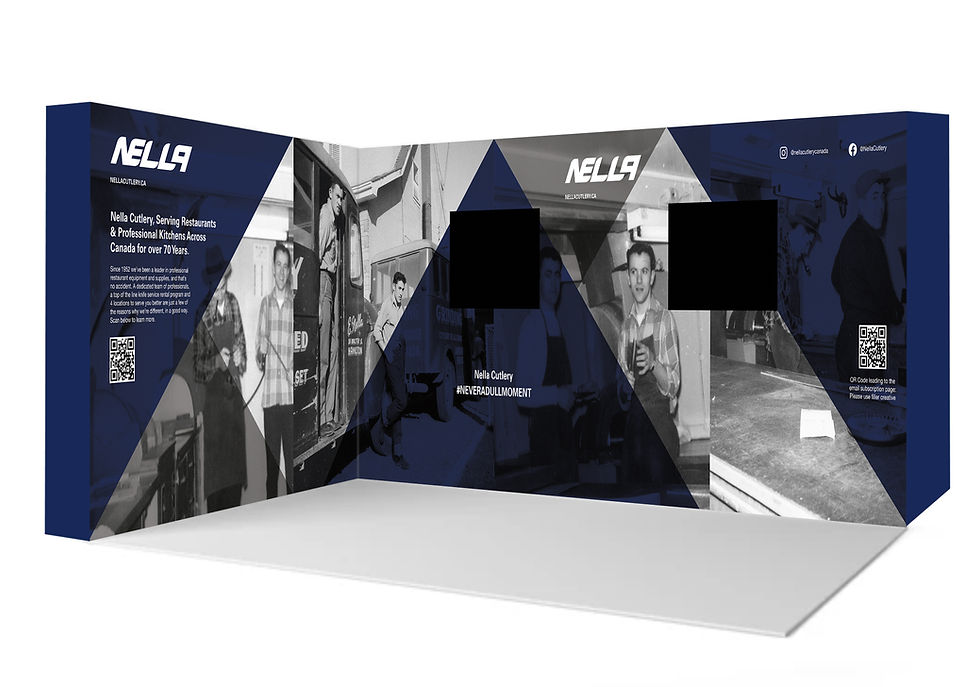
VRN Creative specializes in experiential production and has run event marketing for clients from restaurant launches to trade show partnerships like SIAL Canada and the Restaurants Canada Show. The pattern holds across every one of them: strategy first, logistics second, and a defined goal before a single vendor gets booked.
If you're planning an event and want it to do more than fill a calendar, that's the strategy conversation to have first. Reach out to robby@vrncreative.com or visit www.vrncreative.com.


Comments