How Lifestyle Brands Can Tell a Real Creative Partner From a Pretty Portfolio

A lifestyle brand sells identity as much as product, which means the agency evaluation here has to weigh something a lot of categories don't: does this agency actually understand what makes a customer want to be associated with this brand, not just buy from it. Fashion, beauty, and lifestyle categories are crowded enough that competent execution alone doesn't differentiate a brand anymore. The positioning has to be sharp enough to matter before any campaign runs.
Brand strategy for a lifestyle brand is fundamentally about earning a premium position, not just describing product features. The agencies that do this well understand that a customer buying into a lifestyle brand is buying a signal about themselves, and the brand strategy has to be built around what that signal says, consistently, across every touchpoint. A positioning exercise that only lives in a brand deck and never makes it into the actual customer experience isn't a strategy, it's a document.
A lifestyle brand that looks premium in a lookbook and generic on the actual product page is selling two different brands to the same customer.
Web design for fashion and lifestyle brands lives or dies on the Shopify or DTC build actually matching the aspirational quality of the brand's imagery. A gorgeous campaign driving traffic to a site that feels like a template undercuts the entire premium positioning the brand paid to build. The agencies worth hiring here treat the ecommerce experience itself as part of the brand statement, not a separate technical deliverable handed off after the creative is done.
Digital marketing for DTC lifestyle and apparel brands runs on influencer partnerships, paid social, and email working as one coordinated system, each channel reinforcing the same aspirational positioning rather than each pursuing its own metric in isolation. The agencies that get this right understand which influencer partnerships actually match the brand's positioning versus which ones just buy reach without buying the right audience.
Generative AI visual content has real upside for fashion and lifestyle brands specifically, producing campaign imagery and lookbook content at a volume that keeps a feed and a site looking current across seasons and drops without a full production budget behind every single asset. The brands using this well still anchor the AI-assisted content to a small set of real photography that sets the actual creative direction.
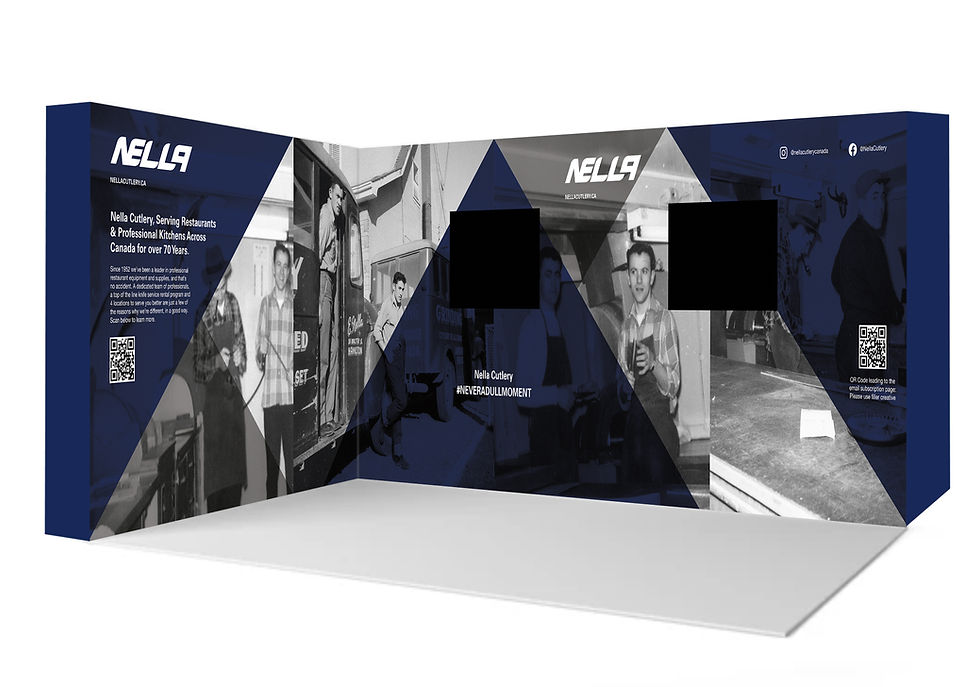
Experiential production for lifestyle brands is where the identity a customer bought into becomes something they can physically step into. Pop-ups and product launches, and immersive brand activations more broadly, give a lifestyle brand's most engaged customers a reason to show up in person and generate the kind of content that no paid campaign can manufacture on its own.
A few things worth checking before hiring an agency for a consumer or lifestyle brand:
Ask how they'd translate the brand's positioning into the actual DTC site experience, not just the campaign imagery
Ask how they select influencer partners, and by what criteria beyond follower count
Ask how they use AI visual content without diluting the brand's actual creative direction
Ask for examples of pop-ups or activations they've physically produced, not just concepted
VRN Creative works across brand strategy, ecommerce, campaign, AI-assisted visual content, and physical activation for lifestyle brands specifically because a premium positioning only holds if every one of those pieces actually delivers on it.
If you're building or repositioning a consumer or lifestyle brand and want every touchpoint to actually carry the positioning you're paying to build, that's the conversation worth having. Reach out to robby@vrncreative.com or visit www.vrncreative.com.


Comments