Picking a Festival and Trade Show Agency Without Overpaying for a Pretty Booth

Updated: 59 minutes ago

An event brand has a shorter shelf life than almost any other kind of brand, and a harder job. A festival or conference has to build recognition fast, sell tickets or exhibitor space against a hard deadline, and then deliver an experience that justifies bringing people back next year. That combination of speed and delivery is why the agency question for events looks different than it does for an ongoing consumer brand.
Branding for a recurring event needs to solve a specific tension: staying recognizable year over year while still feeling fresh enough that past attendees want to come back. The agencies that do this well build a visual and brand system flexible enough to refresh annually without losing the identity that made the event recognizable in the first place. A rebrand that changes everything every year isn't building anything. One that never changes starts to feel stale.
An event brand that people forget the day after is a production, not a brand.
Web development for events carries its own specific technical demands: ticketing integration that can handle a launch day traffic spike, exhibitor and sponsor portals that actually function as a sales tool rather than a static page, and a site structure that serves three different audiences, attendees, exhibitors, and sponsors, without making any of them dig for what they need. An agency that's only built content websites is going to underbuild this.
Digital marketing for events runs on a hard deadline in a way most other marketing doesn't. Ticket sales campaigns need to build urgency without cheapening the event, and exhibitor recruitment campaigns need to speak a completely different language than the consumer facing ticket campaign, targeting a business audience evaluating ROI on a booth, not an attendee deciding whether to buy a pass. The agencies that run both well treat them as genuinely separate campaigns sharing one brand, not one campaign with two audiences bolted together.
Generative AI visual content has become a real advantage for event marketing specifically, because events need a high volume of promotional visuals and video across a compressed timeline leading up to the date. An agency using AI well here can produce that volume fast enough to actually support a real-time promotional push instead of falling behind the calendar.
Experiential production is where an event brand either delivers or doesn't. Festival zones, sponsor activations, and stage design all have to work as physical spaces that hold up under real crowds and real weather, not just as renderings. Trade show pavilions for international delegations carry an extra layer of complexity, representing not just a brand but a country or a sector, which requires an agency that understands protocol and scale beyond a typical corporate booth.
What to check before hiring an agency for event branding and production:
Ask for examples of recurring event brands they've refreshed year over year, not just one-off event work
Ask how their ticketing and exhibitor platform handles a launch day traffic spike
Ask whether they run ticket sales and exhibitor recruitment as genuinely separate campaigns
Ask what physical production experience they have with festival zones, stages, or pavilions specifically
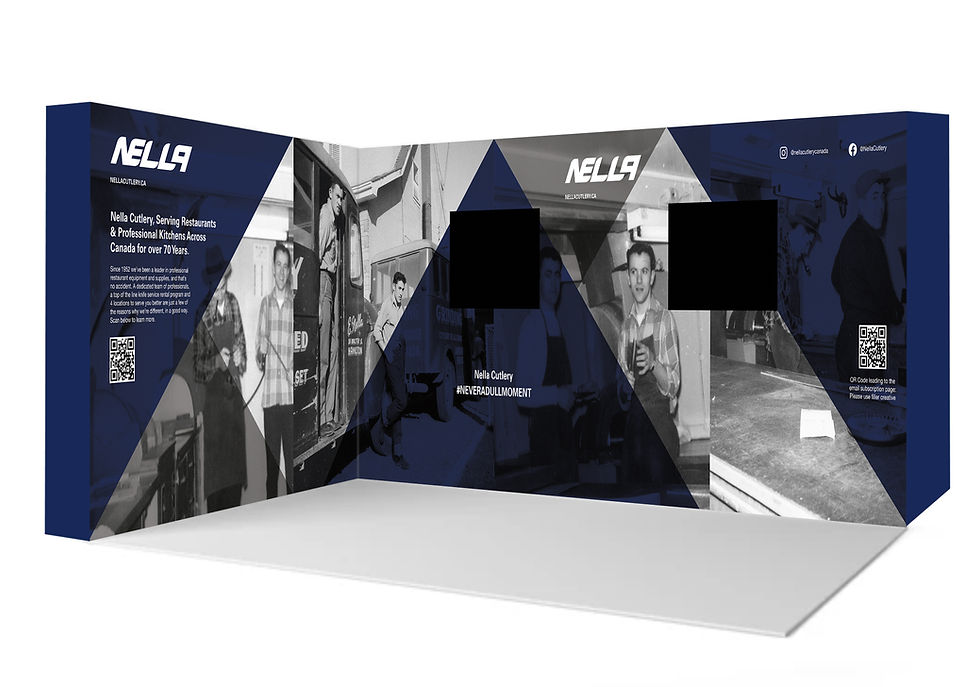
VRN Creative has produced experiential work at trade show partnerships including SIAL Canada and the Restaurants Canada Show, which means the event production experience behind this work has been tested against real trade floors and real crowds, not just concept decks.
If you're picking a festival or trade show agency, that's worth mapping out honestly before you overpay for a pretty booth. Reach out to robby@vrncreative.com or visit www.vrncreative.com.


Comments